Easy Sun Dried Tomatoes

Easy Sun Dried Tomatoes

Easy Sun Dried Tomatoes


Last time I went to the store for sun dried Tomatoes the cheapest I could find them for was $5 for a tiny little package. Since I needed two packages for what I was making, I decided to pass them up and not make what I originally had planned on. $10 for a single ingredient just seemed like way too much money just to add them to a meal. While I am sure I could have found them for less if I shopped around, we do not have a lot of grocery stores in our area and by the time I found the sun dried tomatoes I might as well have bought the expensive ones for the gas it would have cost me.

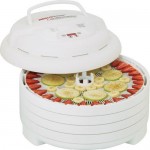
It was then I decided I was going to make my own sun dried tomatoes only using the dehydrator this summer. I don’t use them a lot, but they sure make a lot of things like hummus, bread and sausage taste wonderful no matter how you dry them.

I looked at a lot of different directions for sun dried tomatoes, but a lot of them were more work than I wanted to do. I don’t have a lot of time these days, so I need to take shortcuts where ever I can.

That said I did my tomatoes the easy way, but I can tell you they still have all the flavor and versatility that any sun dried tomato I have ever bought or tried before, so I am not unhappy with the results.

Sun Dried Tomatoes

You can use any type of tomato that you want for these, but I get the best flavor and results from cherry or paste tomatoes. Personally I have just used whatever type of tomato I happened to pick, and as long as you cut them the same thickness your results will be fine.

All you need to do to make these tomatoes, is to wash, core and remove any blemishes and then slice them to the thickness you want. Be sure your slices are at least a quarter inch thick, mine were closer to a half inch. It is important that you get the slices uniform in thickness so they will all dry at approximately the same rate.

Easy Sun Dried Tomatoes

I space my tomatoes on the trays of my dehydrator about an inch apart to allow for good air circulation.

I set the temp on my Excalibur dehydrator at 155 for tomatoes and it takes between 18 and 24 hours for them to dry completely. You will need to adjust the temperature for whatever dehydrator you happen to have.

Easy Sun Dried Tomatoes

When done you want your tomatoes to be completely dry but slightly leathery, don’t let them get brittle if you plan to use them like sun dried tomatoes.

A lot of people store their tomatoes in oil, but I store mine in food saver bags in the freezer. This way I can get the maximum life from my tomatoes and I do not have to worry about them going bad.

Easy Sun Dried Tomatoes

If you do not have a Food Saver I strongly recommend you get one, they are great for freezing dehydrated foods, and they will keep for a very long time that way. Because they are air tight and remove all the air, your tomatoes will stay dry and perfect for when you need them. The food saver is also great for saving seeds in the freezer and for storing herbs in as well.

I rehydrate my tomatoes a bit for use by soaking them in a bit of hot water then laying them on paper towels to drain. They are perfect for a wide range of uses, from putting on pizza and in bread, to mixing with sausage and dropping into casseroles and soups. They are super easy to use and add a huge burst of flavor to whatever you are cooking.

Save Money On Greens This Winter By Dehydrating Garden Greens Now

Dehydrating Greens for Use in Soups, Smoothies and More


Dehydrating Greens for Use in Soups, Smoothies and MoreMy focus this year has been on trying to minimize winter food bills as much as possible. Winter time greens can be expensive in the markets, especially if you prefer to buy organic for your family. Part of my strategy to minimize the amount of money spent on expensive greens is to dehydrate garden greens while they are plentiful now. Not only does dehydrating allow them to retain most of their nutrients it makes them super easy to use in a variety of dishes.

While I plan to grow greens as far into the winter season as possible with the use of Cloches, and am considering trying to grow greens indoors this year, having a stash of spinach, kale and other greens dehydrated will allow me to sneak in valuable nutrition that my family needs without having to worry about the high cost of buying fresh.

What I Use Dehydrated Greens For

There are plenty of ways to used dehydrated greens; one of my primary ways to use them is in smoothies, where the strong taste and color of berries makes them invisible.  But I also put the greens into soups, baking when and where it is appropriate and rehydrate them for use in stir fries, casseroles, and a number of other dishes. There are not too many places where you cannot tuck in a few of these greens; I also slip them into omelets, frittatas and quiche.

How I Do it

I like to use the darker greens for this project and I usually keep them separated, keeping Kale in one jar or vacuum seal bag, spinach in another and so forth.

Dehydrating Greens(Kale) for Use in Soups, Smoothies and More

This project is super simple to do, just wash your greens well, let them dry or use a towel to towel them off.

I like to tear my greens into smaller pieces, it makes it easier for them to fit in my dehydrator and they are much easier to store as well. I dispose of the rib, just using the leaf part of the greens.

Dehydrating Greens(Kale) for Use in Soups, Smoothies and More

I place the greens in my Excalibur dehydrator; turn it on to 125 degrees overnight. How long they stay in will really depend on a lot of things such as the temperature in your house, the humidity levels and the greens you are dehydrating. You want to dehydrate your greens until all of the water is removed; they should be crisp and crumble easily.

Storing your Dehydrated Greens

Once the greens are dried and ready to store, you will need to decide how you want to store them and how small you want the pieces to be.

Dehydrating Greens(Kale) for Use in Soups, Smoothies and More

Dehydrating Greens(Kale) for Use in Soups, Smoothies and MoreI take the pieces of kale or other greens and rub them between my hands to create a smaller size and then I package these in vacuum seal bags or mason jars. You can put the vacuum seal bags in the freezer for long term storage and then store them in a mason jar for daily use.

You can also run the greens through a food processor and make a fine substance that is perfect to add to smoothies, soups and any other foods you might want to tuck a bit of nutrition in.

Finally you can leave the leaves whole and carefully package and seal them, this allows you to rehydrate them in a bit of hot water and then add them to lasagna, egg dishes and more, just like you would fresh greens.

Step By Step Making Tomato Sauce The Easy Way

Step By Step Makin Tomato Sauce


Step By Step Makin Tomato Sauce


When I first started making tomato sauce I wondered frequently if it was really worth all of that hard work. A can of tomato sauce back then anyway was 50 cents and it seemed like a lot of effort to go to just to make a can of sauce I could buy for so little. I have learned a lot since then, not only about the benefits of making my own food but also that making tomato sauce does not have to be so hard.

Back then I would quarter my tomatoes, cook them down a bit and run them through a hand crank food mill. Don’t get me wrong I am all for hand tools and I don’t mind a bit of hard work, but making tomato sauce should not be a two day affair, and I just have better things to do with my time. I tried to recruit people to help with all of that cranking but after a while they wised up and made themselves scarce when it was time to make tomato sauce.

The Easy Way

Ok so I cheat, but it allows me to do more sauces in a much shorter period of time and gives me time for other important tasks I need to do. Now my tomato sauce involves an extra step but it is worth it for how much time and effort it saves me.

I also use the food mill attachment for my kitchenaid, If you have a kitchenaid mixer I strongly recommend this attachment especially if you will be making a lot of sauces from your tomatoes. It saves a tremendous amount of time and effort and does a really nice job of extracting the sauce. If you do not have a kitchenaid mixer a hand food mill will still work fine, but it will just take you a bit longer. When I use the kitchenaid and process my tomatoes with the following method I can have my sauce ready to go back on in about 15 or 20 minutes.

Tomato Sauce

Step By Step Makin Tomato Sauce1) Wash, core and quarter tomatoes putting them in a stock pot. (I usually fill the pot close to the top for me this makes 5 quarts of tomato sauce) Approximately 25 pounds of tomatoes.

Step By Step Makin Tomato Sauce2) Cook tomatoes on medium, stirring frequently to prevent scorching, until the tomatoes are soft.

Step By Step Makin Tomato Sauce3) Ladle tomatoes into a blender a bit at a time and blend until there are no big pieces of tomatoes left.

Step By Step Makin Tomato Sauce4) Pour the blended tomatoes through the food mill, you will find that they go through the mill much faster, even if you are using a hand crank food mill.

5) Once you have processed all of your tomatoes, return the sauce to your stockpot. Cook at a simmer for 4 to 6 hours or until the sauce has reduced by about half and is at the desired thickness. Be sure to stir frequently as tomato sauce will scorch easily. Turn burner down if the sauce begins to burn or is boiling too much. It is better to cook it a bit slower and take more time than to burn the sauce making it useless for canning.

When you are ready to can your tomato sauce you have a couple of choices, you can use either a water bath canning method or you can pressure can the sauce, I have done both.

Step By Step Makin Tomato SauceWater Bath Canning

1) Prepare your jars, lids and ring by washing them all in hot soapy water, fill your jars with hot water until you are ready to fill them and place your lids in a pan of boiling water. (you can use pints or quarts for this recipe)

2) Fill your canning kettle with water and bring it to a full boil. I also put a tea kettle on to boil at the same time, in case I do not have enough water to go over the top of the jars, you want to make sure that the water is about 1 to 2 inches over the top of your jars. For Tomato sauce you will also want to keep your tea kettle filled with boiling water in case the water boils down to far, it will allow you to recover the jars without interrupting the boiling.

3) Place 2 tablespoons of lemon Juice in each quart jar, or 1 tablespoon for pints, then fill the jars with your tomato sauce, leaving 1/2 inch head space in each jar.

4) Wipe the rims of the jars, and put hot lids and rings on the jars and tighten just slightly without over tightening the rings.

5) Place jars in the boiling water bath for 40 minutes for quarts and 35 minutes for pints, remove from hot water and check lids after they have cooled to ensure a good seal. If your jars do not seal then refrigerate contents.


Pressure Canning Method

Pressure canning offers a higher quality and more nutritious canned tomato product and it also takes less time than using a water bath canner, so I normally use this method.

Everything is done exactly the same in the pressure canning method except that you will process the tomato sauce in a pressure canner. Process Pints or quarts for 15 minutes at 10 pounds of pressure or 15 pounds of pressure for high altitudes.


Part 3 Basic Canning Series – Step by Step Guide to Using a Pressure Canner For the First time Canning Potatoes

Step by Step Guide to Using a Pressure Canner For the First time Canning Potatoes

Step by Step Guide to Using a Pressure Canner For the First time Canning PotatoesIn the last two articles in this series(Part 1, Part 2) we have talked about choosing a pressure canner as well as many of the safety guidelines you should use when canning your produce. This article will take you through the steps of canning one at a time. In this example I am going to be canning potatoes. Potatoes are easy to can much like any other vegetable, and make a fast easy addition to soups and stews.

There are two different types of “packs” that you are likely to see when canning anything, a hot pack or a cold or raw pack. These are just two different methods, both are completely safe, and work just as well as the other although like in the case of potatoes the raw pack gives a better end product. You may have a personal preference when it comes to taste, but you can figure that over time. I prefer to do a raw pack whenever possible that is just my personal preference for ease and flavor, but there are going to be certain instances where you cannot use a raw pack or are better off doing a hot pack. Experiment and see which works better for you. Most books contain instructions for both if both are possible.

In this example we are going to use a raw pack and you do not need to cook your potatoes before canning.

Start by going through all of your canning equipment and making sure it is ready to go if you have not already. Get it all laid out where it is easy to access as you want to keep the process fairly quick once you get started canning. I also like to make sure I have plenty of clean dry towels.

This is also a good time to inspect the rubber seal to make sure it is in good condition, and always check vents every time you use your pressure canner, it could save you blowing a safety plug later and spoiling the food you were trying to process.


Step by Step Guide to Using a Pressure Canner For the First time Canning PotatoesScrub your potatoes and peel, then quarter potatoes, you can leave small potatoes whole. If you want the size smaller by all means do so, but do not cut them too small or they will over cook in the canner. You will need 2 to 3 pounds of potatoes for each quart jar you plan to can.


Potatoes do best as a raw pack, while you can do a hot pack on them they tend to overcook, making them too soft for use in soups or stews. While you do not need to sterilize jars like you would for a water bath canning session you do need to wash them and leave hot water in them until they are ready to use. I also put the rings and lids in a pan of boiled water and leave them until they are needed this keeps the rubber seals soft and ensures a good seal.

Pack potatoes in pint or quart jars, add a 1/2 teaspoon of salt per pint or 1 teaspoon per quart if desired, this is optional and I rarely do it. You will need boiling water to pour over your potatoes once your jar is packed, some people like to use chicken stock I prefer to use just water. Make sure that the potatoes are covered and that you have a 1 inch headspace or gap between the water in the jars and the top of the jars.

Use a canning spatula to slide down the sides of the jars; this will remove any trapped air from the jars.

Step by Step Guide to Using a Pressure Canner For the First time Canning Potatoes

Take a clean damp cloth and clean the rims of the jars to ensure a good seal, then take lids and rings from the hot water and place them on the jars. You want the rings to be snug but do not over tighten as this can affect the lids ability to seal your jars.

Step by Step Guide to Using a Pressure Canner For the First time Canning PotatoesFollow manufacturer’s instructions about the amount of water to place in your canner, normally about 2 to 3 quarts. I like to get my canner on the burner and heating before I place the jars of food in it, to ensure that the jars do not have too much of a chance to cool off. The water is not usually boiling yet but it is hot when I put the jars in the canner.

Put the lid on your canner and seal, your heat should be on high. Do not put the steam vent or jiggler on your canner yet, the canner needs to come to a boil and vent for 10 minutes before you do.

Once the canner has vented steam at a full boil for 10 minutes it is time to put your vent on, at this point the canner will begin to build up pressure.

Be on the lookout for leaks from the seal, a bit of moisture escaping from the vents is normal but you should not have anything coming from the canning seal between the lid and the canner.

When your canner comes up to pressure according to your manufacturer’s instruction and the type of pressure regulator you have, it is time to start timing.

How your pressure regulator works depends on the canner you have, dials will give you the exact pounds whereas weighted pressure regulators also referred to as jigglers by some will jiggle or spin a certain number of times. Check your canners instruction booklet to get exact directions on how your canner and regulator work.

For pints I process my potatoes at 35 minutes and quarts take 40 minutes at 10 pounds pressure at normal altitude and 15 for high altitudes.

Step by Step Guide to Using a Pressure Canner For the First time Canning Potatoes


These instructions are basic and can be applied to other foods, with adjustments in preparing the food and the processing time. I highly recommend the Ball Blue Book as it will serve as a reliable guide as you get started in the world of pressure canning and has times and prep instructions for most vegetables and meats.

I hope you have enjoyed my mini tutorials on pressure canning. Over the weeks I will try to add more recipes out of my collection that are tried and true for you to experiment with as well. Soon you will be building a pantry full of healthy foods to tide your family through the winter and high food prices.

Pressure Canning Basics Part 2 – Getting Ready to Pressure Can For the First Time

Pressure Canning Basics Part 2 Pressure Canning Basics - Getting Ready to Pressure Can For the First Time


This is a continuation of my Pressure Canning Basics Article You can find the first article in the series Here

Once you have chosen the right pressure canner it is time to consider what you will use it for. For our family the idea was to grow as much of our own food as possible and preserving it was a must. I have pressured canned for years, but this year took on a new urgency as I wanted to make sure we had plenty of food for the winter.

You may have already thought a great deal about your reasons to get a canner and what you want to use it to accomplish but to make the most out of your investment it is important to consider how you can use it to achieve your goals. Consider how much food you want to can, where you will get the food, and how you will store it.

For most people having a pressure canner usually means they want to store their own food. It can be food they have grown and raised themselves, or it can be food that has been given to them by family or friends or that they have purchased at the local markets in their town. There are many advantages to having a pressure canner that I have already covered in my 10 reasons to Give Pressure Canning a Try article.

You should start by unboxing and carefully examining your canner, check the seal if you buy one with a rubber seal and make sure that the vents are all clear. Wash everything with soap and water thorough before using it for the first time.

Getting a few books as well as finding a few reliable websites online can help you to read up on proper canning techniques as well as give you tested recipes to get started with, I have a list of recommended books on this post. These recipes have been thoroughly tested by canning experts to ensure that they are completely safe and work properly. Over time you will get an idea of what is safe and not safe where pressure canning is concerned, and then you will be able to start using other recipes you find provided they follow the guidelines for safe canning.

Other Tools You Will Need

Pressure Canning Basics Part 2 Pressure Canning Basics - Getting Ready to Pressure Can For the First TimeIf you have canned before you will likely have all the tools you already need to pressure can, such as an scale for weighing produce, a canning funnel, a pair of canning tongs, a spatula for removing air as well as jars, rings and lids.

Be sure that you check jars for nicks or cracks, even new jars before filling them with food. It does happen that a jar will get a nick in the rim during manufacturing or while you are washing the jars. This will keep the jar from sealing properly and can let air into the jar, which can create a breeding ground for botulism.


Guidelines for Safe Canning

  • Be sure you understand what high acid and low acid foods are and why low acid foods need to be canned in a pressure cook. Never can these foods in a water bath canner as the canned foods can harbor food born bacteria.
  • Only use fresh produce that is at the peak of its freshness. Never use produce that is spoiling or old, not only can this give you an inferior product but it also can increase the risk of food born bacteria that might cause illness.
  • Pay close attention to the pressure setting you should use for each type of food. It varies depending on the type of food, the size of the pieces of food and also on your altitude. Altitudes over 2000 feet are almost always processed at 15 pounds.
  • Also pay close attention to the time that you process your foods. The time starts after the canner has reached the right pressure and will also vary depending on the food, the thickness of the liquid, the size of the food pieces and the size of the jar.
  • Keep in mind that recipes are tested thoroughly to ensure safety so it is important especially when you are first starting out to never adjust recipes, pressure or time of the recipes you use. As you become more familiar with the process you will have a bit more freedom to adjust recipes, but you must know how to adjust your processing times and other factors to accommodate these changes. Some things can be safely adjusted such as certain seasonings, but be sure what you are doing is safe before you do it.
  • Only use Canning jars and lids, and make sure that you replace your lids every time you can, unless you are using a reusable lid such as the Tattler lids. Tattler lids cost a bit more, but can save you money in the long run since you won’t have to buy lids every year.
  • Be sure to remove any excess air from the jars with a canning spatula, since one of the tasks of pressure canning is to remove all the air from jars during processing this step is an often forgotten but important step to take.
  • Always make sure to check the size and quantity of the food you are using careful. Purchase a scale for weighing items that are canned by the pound. While this is not particularly important if you are canning a single ingredient such as green beans, if you plan to can a recipe with multiple ingredients it is important to stick to the recipe. Things such as the size of the food pieces and the density of the food or liquid can make a difference in the processing time and the safety of the canning process.
  • It is always safest to follow recipes from trusted sources when using a pressure canner to start out with, this way you know you are getting a recipe that have been carefully tested for safety.
  • Always wash jars and keep them filled with hot water while waiting to fill them with food, I keep mine in a sink of soapy hot water until right before I use them.
  • Finally be sure to careful check jars after they come out of the pressure canner. It is important to remove the rings as they are not needed after the canning process is completed and can mask signs of spoilage such as a bulging lid or leakage. Wash the rims with a hot soapy rag to wash off any spillage and then label your jars with the date.
  • Many experts also suggest cooking foods for a certain time to ensure the safety of your food. I normally boil all foods for about 7 to 10 minutes before using. If I am using them in a soup or stew I do not do this, I only take this extra step if this is the only time I am going to cook the food in question.
  • It is important to check for spoilage before using canned good, any jar that has a bulging lid, air bubbles, funny color or odor or leakage at the seal should be disposed of properly by boiling the jar, lid and food and disposing of it. Failure to do so could cause kids or pets to come in contact with and become ill.

A Final Word

Be sure to read up on using your pressure canner, our next article in this series will go into a step by step of how to use your pressure canner to help get you started. Read books and be sure to read through your canner’s manual thoroughly. The key is to have a good understanding of the steps before you get started, to ensure that not only does your canning go smoothly but that you carefully follow all the safety procedures for canning safe food for your family to eat year around.


Part 3 of Pressure Canning Basics can be Found Here

Pressure Canning Basics Part 1 – Choosing a Canner

Pressure Canning Basics Part 1 - Choosing a Canner


Pressure Canning Basics Part 1 - Choosing a CannerOnce you have decide to give pressure canning a try there comes the question of what equipment you will need as well as what to do. While most canners come with instructions, many of the instruction booklets are not very clear, especially if you are a beginning canner who has never done any canning before. This article is intended for beginners and is a step by step tutorial on choosing a canner, getting ready to can and canning for your first time.

What You Use a Pressure Canner For

Since this article is written for beginners I think it is important to take a moment to explain what you would need a pressure canner for and what types of foods it is used for. There is some confusion and misinformation on the internet about using the right type of canner, which can result in unsafe food.

Pressure canning is a method of preserving food that uses a higher heat than boiling water, which is what water bath canning methods use. While water bath canning is safe for certain high acid foods such as fruits and pickling, certain foods such as vegetables and meats are lower in acid and need a high temperature that can only be achieve with a pressure canner, in order to make them safe. Pressure canning also removes excess air that bacteria need in order to grow.

Without using a pressure canner you can risk food born bacteria such as botulism, making your foods unsafe to use.

Be sure to check a reliable source to see whether the food that you are processing should be processed in a water bath or in a pressure canner. As a safety precaution if I am ever in doubt I will pressure can something at the time listed for the ingredient that takes the longest in the food I am processing.

Choosing the Right Pressure Canner

Pressure Canning Basics Part 1 - Choosing a CannerTaking the steps to choose the best canner can make all the difference in how your canning will go. Canners start at around $60 and can go to $500 or more for a large home pressure canner. If you have been canning for some time, and are making the step to pressure can knowing that you will be using your canner on a regular basis, then it definitely makes sense to invest in a good quality canner now, for a variety of reasons. A bigger canner will allow you to can more at one time and a good quality canner will take much of the guess work out of pressure canning and leave you feeling more confident about food and pressure canning safety, as well as leave you with fewer parts that can break or cause problems with your canning.

If you are just starting out you may be unwilling to spend that much money on a canner, and you may not be canning enough to justify spending that much. There are good canners that can suit your needs for under $100 if that is the case. All canners must meet certain standards for safety and if used properly will work just fine for the small amounts of canning you are going to do. Should you decided later to move up to a better canner then you will be able to do so and pass your canner on to someone else that needs it.

Brands vary in what they offer, the All American at the top of the scale offers 4 sizes of canners, with their largest canner having enough room for 19 quarts or 32 pints of food, making it ideal for those that have a large garden. The All American has several Features that make it the canner of choice, from the lack of a rubber seal to a geared pressure system. This canner uses a metal to metal seal that is more consistent and does not require the need to replace the seal every few years like other canners do. This ensures consistent sealing which means better safety for your canned goods.  The geared pressure system, has an automatic overpressure release which allows you to walk away while your canner is cooking secure in the knowledge that it will keep consistent pressure. While canners should never be left completely unattended, this allows you to be doing other things and not requiring you to watch your canner at every second to ensure it is maintaining the proper pressure.

Presto and Mirro canners offer 2 models, the 21 quart model which holds 7 quarts or 14 pints or the 16 quart model that holds 7 quarts or 7 pints. These smaller models are the most budget friendly canners on the market; you can get a Presto or Mirro 16 quart canner for under 75 dollars. Both of these canners have weights for the pressure regulators, so you won’t have to get them checked every year, but they still have rubber seals which need to be inspected every so often and replaced when they become rigid, damaged or brittle.

The 21 quart models offer more room, and if you prefer you can get a Presto that has a dial pressure regulator, but it is important to keep in mind that these regulators much be taken someplace to be tested every year. They do offer a more precise measurement of pressure which some people prefer, but they must be watched more carefully. The weighted pressure regulators on the other hand release excess pressure so simply placing the right weight on your canner and adjusting the heat so they jiggle at a certain interval is all you need to do.

In the end when it comes to choosing a canner, choose the one that best suits what you will use it for, as well as the one that best suits your comfort level. I find the All American is well worth the extra money spent to ensure consistent pressure canning without a lot of extra effort on your part.

I hope this helps you to make a decision on which pressure canner is right for you, if you are still on the fence about whether you want to try pressure canning please take a look at my article 10 Reasons to Give Pressure Canning a Try.

On Monday I will have part 2 of Pressure Canning Basics, which will include safety tips for safe canning, then part 3 of this series will offer a step by step overview of your first canning session.

10 Reasons to Give Pressure Canning a Try

Ten Reasons to Give Pressure Canning a Try


Ten Reasons to Give Pressure Canning a TryOne thing I hear more than anything else is new canners talking about being afraid of using a pressure canner, this fear while understandable is unfounded in that the concerns they may have regarding these canners have long since been addressed.

I cannot encourage new canners enough to give this process a try once you do you will never look back.

Canners are much safer than they have ever been, and the chance of an accident when canning jars of food is extremely low. All canners have safety mechanisms that are designed to release any excess pressure as well as valves that will release at a certain pressure, to keep pressure from building up dangerously high.

The type of canner you buy will also offer you even more assurance of safe canning, not only from the standpoint of not having an accident but also from the standpoint of making sure that your food has been properly heated for safety. Canners such as the All American Canner offer several features that cheaper models do not, such as metal to metal seal, which means that there are no rubber seals to wear out. A geared steam gauge ensures that the pressure stays consistent, to ensure safe canning.

There are a Lot of Reasons to Try Pressure Canning

With canning being a lot safer these days, there are a lot of good reasons to try canning your own food and it won’t take long to become comfortable with the process.

1) Use a Pressure Canner to Preserve Home Grown Foods – One of the best reasons to can is that you preserve the harvest from your gardens and keep it for times when gardening is not possible because of the weather. Canning offers one of the longest lasting methods of preserving your food, and allows you to enjoy your own harvest year around.

2) Pressure Canning Lets You Buy in Season Locally – A lot has been said about buying your produce in season and locally as a way to help the environment and to ensure that your family is getting the best quality food. Buy your food in season, then can it so you can enjoy local foods year around. Local foods are picked ripe rather than being picked before they are ready as many farmers must do to ensure their crop makes it to market in peak condition.

3) Canned foods are Budget Friendly for Those that are On limited incomes - Once you have your canner and jars, (which can be found at yard sales and sometimes even given away by neighbors and those through your church) canning what you grow can be a cost effective way to feed your family. A 400 sq. foot garden can produce much of what your family will eat for a year, depending of course on the size of your family. Of course you can also tuck that 400 square feet in where ever you have room for it, it does not have to be all in one place. Urban gardening and edible landscapes are catching on even in the larger cities as a way to feed your family.

4) Using a Pressure Canner Gives You options in What You Feed Your Family - Not just budget friendly, using a pressure canner offers you more control over what you will feed your family. You might not be able to afford local fresh produce in the middle of the winter, but if you can grow and can or even buy your produce locally, it puts you more in control of what your family is eating.

5) Canned Goods Are not Affected by Power Outages - One of the more compelling reasons to use a pressure canner is that foods that are stored in a freezer are vulnerable in the event of long term power outages. Even if you are able to keep your food in your freezers safe, you won’t want to be opening them during the power outage so canned foods offer a ready and easy source of foods.

6) In The Event of a Disaster your Canned Foods Will be Safe to Eat - Canned foods are sealed, making them less vulnerable to damage than foods that are in your freezer or are packaged differently. In the event of a disaster you will need a readily available and easy to access and fix food source, canning offers all of that.

7) Canned Foods Last a Long Time - Stored properly you can get a shelf life of at least 2 to 3 years from your canned goods, and many people feel you can go much longer than that. Much depends on how your canned goods are stored, cool dry storage with minimal light can offer you a better shelf life for your canned goods.

8) Canned Goods Can be Stored Anywhere - Unlike a freezer that requires a place to sit and electricity, once canned, your food can be put anywhere where it is cool, dry and dark. This could include tucking a shelf in a closet, stashing jars under a bed, or using up that basement you have no other use for.

9) Then Energy and Resources Used to Store Canned Goods Are Far Less Than Frozen - Think about it, not only do you need to have a bag or container to put your food in but then you must pay for the electricity to store it for months at a time. Once you have a canner and jars, you will only be paying for the lids and the electricity to can your food, then you only need to find a place to store it.

10) Jars Can Be Reused - if you are concerned about waste, jars can be re-used provided they have no cracks or nicks in them. You can also buy the Tattler reusable lids rather than disposable lids for less waste and ultimately less cost. They are expensive but eliminate the need to buy new lids every year.


I tend to split my harvest between jars and freezer, canning gives me the peace of mind of knowing that my family will always have food regardless of the circumstances. While canning is a bit more labor intensive, it stores longer, and offers you more storage options as well as the ability to keep a larger inventory than a freezer can hold.

If you are interested in pressure canning there are many resources that can help you get started down the road to safe and cost effective food storage using a pressure canner. Once you take the leap you will never go back and you will find tremendous satisfaction in growing your own food and preserving it.

English Style Pickled Onions

English Style Pickled Onions

English Style Pickled Onions

Pickled onions were a staple in my husband home when he was growing up. He spent his middle school and high school years in England and pickled onions where a part of many meals in their home.

It did not take long before I heard stories from my English mother in law about how quickly the pickled onions would magically disappear out of their pantry with hungry teenage boys of course being the culprits.

I knew I had to try my hand at making these and in the beginning my in laws would bring me back the spices I could use to make them with from England, but over time they stopped going back to England so I had to find a new source for the spices here in the US.

I also found it harder to find the malt vinegar in any type of quantity so I decided it was time to come up with my own recipe that I could do with ingredients I could get locally.

My version of these favorites uses a mix of vinegars, as malt vinegar can be very expensive and comes in small bottles. There are a few restaurant supply stores that carry malt vinegar in gallon containers so if you are lucky enough to have access to it, going with all malt vinegar is definitely the way to go. I did a mix of 1/2 malt vinegar and 1/2 white vinegar and the results came out almost as good as the originals.

The pickled onions themselves are easy to make, I used the small onions from my garden, the best size is about an inch in diameter but you can also use a bit larger, or if you are unable to find anything but boiler sized onions you can also cut them in half or quarters if you want. Shallots also work very well for this recipe if you have access to them.English Style Pickled Onions


Peel and clean the onions then place them in a large bowl. Add the salt and water; you want the water to cover the onions completely so add more water if the 4 cups is not quite enough.

English Style Pickled Onions

Let the onions soak for at least 4 hours but up to 24 hours. I let mine soak for 4 to 6 hours for the best crispness.

English Style Pickled Onions

While you are soaking your onions you will want to make your spiced vinegar, this is simply vinegar and pickling spices. I make mine when I am ready to pack the onions in jars and pour it over the onions while the mixture is still hot.English Style Pickled Onions


Give the onions a good rinse before packing them in quart jars. If the onions are small you should not have a problem packing them into 2 quart jars, but if the onions are bigger you will either want to cut some of the onions into halves or quarters or in my case I just added an extra pint jar.


English Style Pickled Onions

If you come up a bit short on spiced vinegar simply add a bit more vinegar to the top of the jar to ensure the onions are completely covered.

I have water bath canned these before, but found that my husband likes them better not canned, the canning process made them a bit softer than what he was used to. If you have cool root cellar you can store them there, but if like me you have hot humid summers and no place cool to store things then you will be better offer either canning them or storing them in the fridge. I have two fridges so keeping them in the fridge works great for us.


English Style Pickled Onions
 
Prep time

Cook time

Total time


Similar to the English pickled onions served in the pubs in England.
Author:
Recipe type: Canning

Ingredients
  • 3 lbs of shallots or small boiler onions
  • ⅓ cup Canning or Kosher Salt
  • 4 cups Water
  • 4 cups Vinegar, either malt vinegar, white vinegar or a mix of the two
  • 2½ tablespoons of mixed pickling spices

Instructions
  1. Clean onion and place in a large bowl.
  2. Add ⅓ cup salt and 4 cups of water then let sit for 4 hours.
  3. Meanwhile make spiced vinegar by bringing to boil 4 cups of vinegar and the pickling spice.
  4. Drain and rinse onions then pack in quart jars, You can half or quarter onions to get a tighter pack if they are a bit too large.
  5. Pour hot spiced vinegar over onions and seal.
  6. You can store these onions in the fridge for up to 6 months or put them in a water bath canner for 20 minutes for longer storage. Storage in the fridge will result in a crisper onion.
  7. Onions are ready after 2 weeks, makes approximate two Quarts depending on the size of your onions.


Sweet and Spicy Pickled Beets

Sweet and Spicy Pickled Beets


I have been working madly to keep up with all of our harvest lately, with the worst yet to come, I am still doing a pretty good job of getting everything done. A lot of our harvest has been going into the freezer, due to cost issues, and not having enough canning jars for this big of a harvest, but I decided to make some sweet and spicy pickled beets for my daughter and mother in law these are one of their favorites and they look forward to them every year.

These beets offer a bit more than the average pickled beet, and are a condiment that even I (who does not generally like anything pickled) will eat from time to time.

When you are done with eating a jar of beets, save the liquid, this recipe makes the best pickled eggs ever.

Getting the Beets Ready

I started out with 4lbs of beets, you want to choose fairly small beets for this recipe, you can use either whole beets that are about an inch in diameter, or you can do like I did and used 2 inch beets and slice them. I used a postal scale to weigh my beets; you can get one of these or a food scale relatively inexpensively at Amazon or your local stores.

Before you slice your beets you will need to cook them first, I normally scrub my beets with a green scrubby pad and take off the beet greens. You do not want to take off the crown of the beet so cut the greens of the beet just above that.

Put your beets in a pot of water and cook until the beets are tender about 15 to 20 minutes, the skin should slip right off and the beets should be easy to cut.

Prepare your Canning Equipment

While waiting for the beets to cook it is a good time to get the rest of your equipment ready, you will need 5 to 6 pint jars, rings and lids and a water bath canner. You need to wash and sterilize your jars, lids and rings as well as get your canner filled and ready to start heating, you water should be at a simmer when it is time to put your filled jars into the water bath.

Making your Spicy Pickled Beets

Cool beets in ice water for a few minutes until they are cool enough to handle. Skins should slip off easily and now you can take off top and bottom of the beet.

While the beets are cooling you can combine all the other ingredients into a pot and bring them to a boil, when the pot comes to a boil turn it down to low and let cook for about 6 minutes.

Slice beets 1/8″ – 1/4″ thick if you are not using them whole and add them to the pot with your liquid and seasonings. Heat the mixture until the beets are hot, then fill clean sterilized jars with beets and liquid. Leave a head space of 1/4″ clean rim of jars and put lids and rings on.

Place jars in water bath canner of simmering water and bring to boil, process jars for 30 minutes. Leave beets on shelf for at least 2 weeks before opening for the best flavor.

Sweet and Spicy Pickled Beets
 
Prep time

Cook time

Total time


Recipe type: Preserving

Ingredients
  • 4 pounds Medium sized beets
  • 3 cups Onions sliced into thin rounds
  • 2 cups of sugar
  • 2 Sticks of cinnamon broke into 2 pieces each
  • 1Tbsp mustard seed
  • 1tsp allspice whole
  • 1tsp cloves whole
  • 1tsp salt
  • 2½ cups apple cider vinegar
  • 1½ cups of water

Instructions
  1. Scrub and rinse beets well, leave part of stem and do not cut the root from your beets. Doing this avoids loosing too much of the beet juice before you are ready to can them.
  2. Fill large pot with beets and water and bring to boil, cook beets until fork tender and skin slips off easily.
  3. Drain beets and cool enough to be able to handle them, slip skins off beets, remove root and tops and slice beets ⅛” – ¼”.
  4. Add onions, sugar, cinnamon stick, mustard seed, allspice, cloves, salt, vinegar and water to a large pot and bring to a boil. Turn down the heat to low and cook for 6 minutes.
  5. Add beets to the pot and cook until beets are hot.
  6. Pour beets and liquid into the hot sterilized jars, be sure to remove the cinnamon stick before doing so.
  7. Wipe rims of the jar and put lids and rings on the jars snuggly.
  8. Process your pickled beets for 30 minutes in a water bath canner.
  9. Wait at least 2 weeks to open.


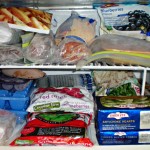
Should I Can or Freeze my Garden Harvest?

Should I can or freeze my garden harvest?

One of the most common questions asked at harvest time is whether to put produce in the freezer or to can it. The answer to this question will vary depending on who you ask, preppers like to can most of their produce because it keeps without the need for electricity, while those who are more concerned about nutrition often say it is better to freeze it since it goes through much less heat and cook time, and preserves nutrients better.

In addition to freezing and canning you can also dry your foods, while this is a great way to preserve nutrients and provide a shelf stable product a dehydrator may not be something you have access to.

Most anything can be canned, frozen or dried with only a few exceptions, how you choose preserve your harvest will depend on things such as goals, taste and storage.

There are a lot of different things to consider when deciding whether to freeze or can, some of those considerations may affect you while others may not.


Choosing the Right Method


Goals - Are you raising food to stockpile or are you just trying to have enough healthy organic food for the winter? Many people who are stockpiling are concerned about power outages and the possibility that electricity may not be available at some point, because of that, they choose to store as much of their shelf stable as possible. This includes canning, a method called dry canning and dehydrating.

Those that are concerned with healthy organic food often freeze their food, the taste is often better, and freezing is gentler on your food than a pressure canner is.

Storage - How much freezer space you have versus space to store jars. I have 2 full freezers and 2 small ones; this gives me a lot of latitude in how much I am able to freeze. Currently I have one full with chicken for winter and one freezer I am loading up with vegetables.

Pantry space is more problematic for me, as our basement leaks; I have no root cellar currently and am storing my pantry in my bedroom at the moment. I try to spread my harvest out to utilize the storage space I have.

Which method will provide the best product – Some products simply do better when either canned or frozen. Carrots hold their texture and flavor better when frozen as do peas and zucchini. Canning is a great way to put up corns and green beans that can stand up to the extra heat a bit better than other vegetables.

Taste - A lot will depend personal preferences, for instance, I prefer a canned peach to a frozen peach but would much rather freeze strawberries than have them canned. I like canned green beans but don’t really care for frozen. It does no good to can or freeze something if it is not going to get eaten so you need to use the method that provides a better tasting product for your household.

How your Food will Be Used – If you are going to use potatoes in soups or stews then canning it is a better way to go, if you want to make hash browns or French fries then you will want to freeze them. How you process your produce should be aligned with the way you plan to use it. A Frozen peach is great for making smoothies or ice cream but you may find canned peaches are better for eating or using in a pie for instance.

Onions can be dried, frozen or canned, but will be used much differently depending on how you process them. Dried onions are great for seasoning recipes of all kinds, frozen are perfect to add to soups, casseroles and other recipes, whereas canned onions are typically pickled and are best eaten out of the jar.

Tomatoes are best canned, and certainly more convenient, frozen tomatoes are fine for throwing into pots for soups and stews, but tomato sauce, crushed tomatoes and spaghetti sauce will all need to be canned.

Budget - In the end a lot will also depend on your budget, we knew this year we would need two freezers because we had both a garden and chickens to process, so we put a new freezer into our budget early on. I would not even mind having a third freezer as it allows to bake and cook while things are fresh and put them in for use later in the winter, but then I worry about the possibility of having outages.

Jars can add up in price as can the cost of a good quality pressure canner, add the cost of building somewhere to store it all and it adds up fast. Canning however can be affordable once you have a canner and the jars, since all you will need to buy is lids and pay for the power usage. Another alternative is to buy reusable lids, expensive, but so is repeatedly buying lids each year for your jars. Jars of food can be stored anywhere that is not too hot or too cold.

A quality dehydrator is also expensive but is well worth adding to your collection of preserving equipment. The finished product if sealed correctly is shelf stable and takes up less space than canning jars do, and can be used in a variety of cooking techniques.

Keep in mind when freezing or dehydrating, how you package your produce matters, the use of quality sealing devices and the right pouches is essential if you want your food to last. This all costs money as well, and should be considered in your budget.

In the End

I chose my preserving methods based on what was most affordable for me this year, we have a generator so on the short term if the power goes out our freezers and produce will be protected. I have freezer space and limited jars, so I am saving my jars for those things that are not easily frozen, such as chicken and vegetable stock as well as tomato and spaghetti sauce. I plan to use my dehydrator a fair amount as well, especially for herbs, onions and garlic, but also for other food items that can be used in soups and stews.

Visit Us On TwitterVisit Us On FacebookVisit Us On PinterestVisit Us On Google Plus